Leon Bewersdorff

Leon Bewersdorff

Computational observational astronomy, sensor network automation & development


My personal research in astronomy focuses on exoplanet photometry, precision astrometry, and stellar multiplicity. Recent personal projects include automating and maintaining research telescopes for robotic interferometry and exoplanet observation, as well as developing observational astronomy software.

Past projects
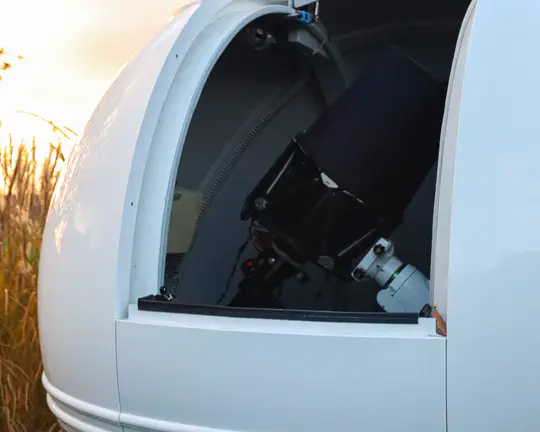
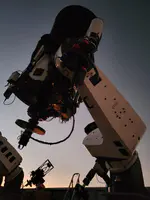
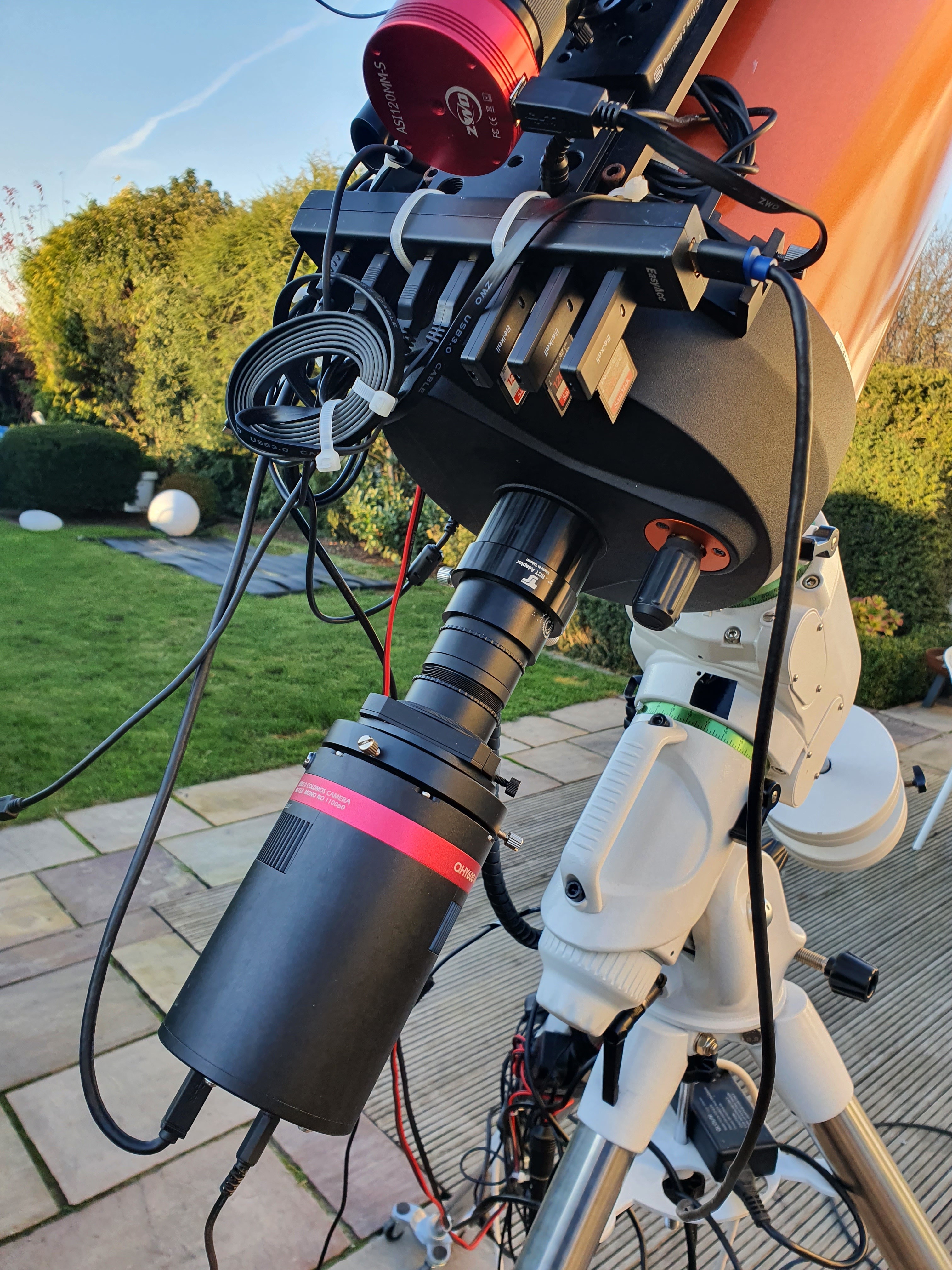
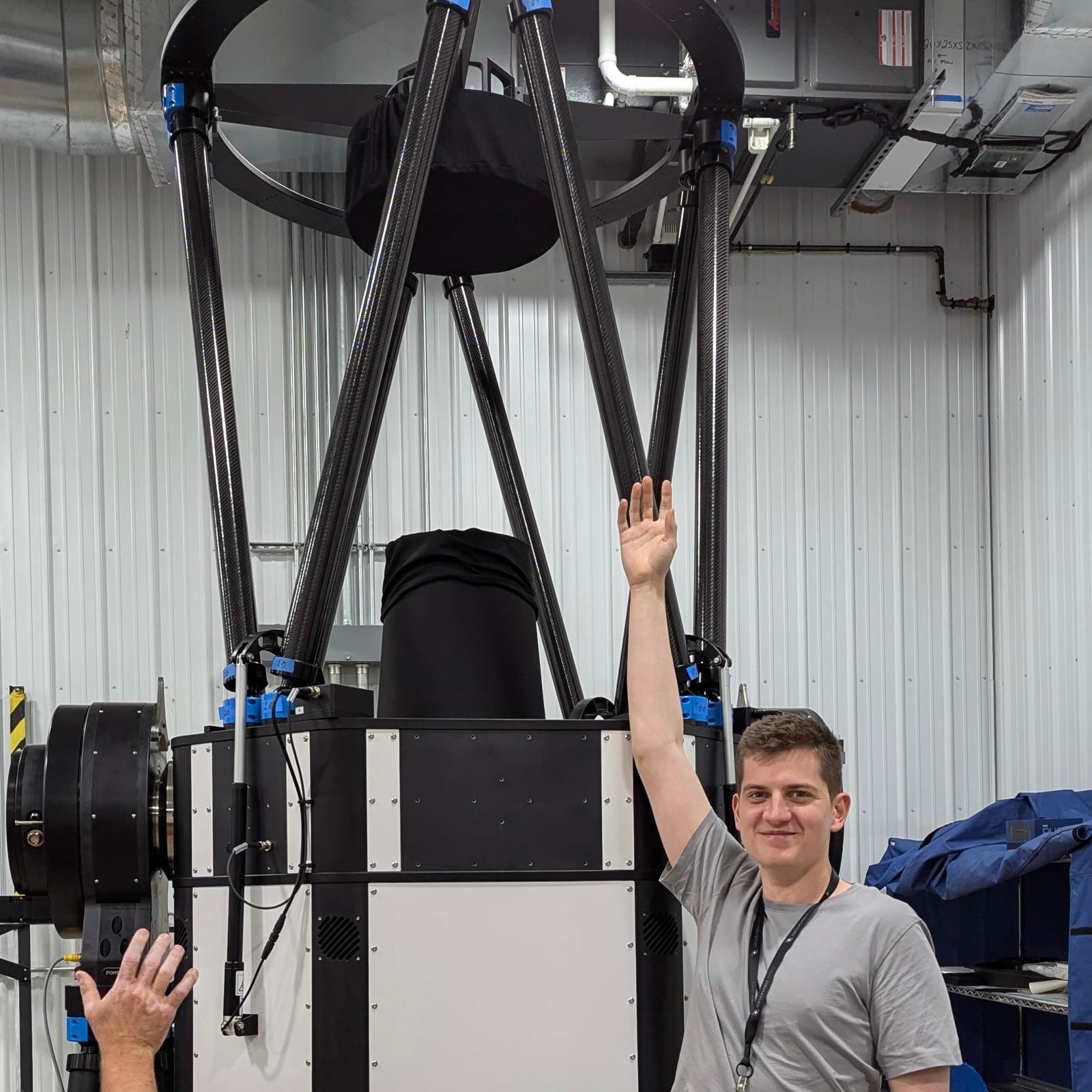
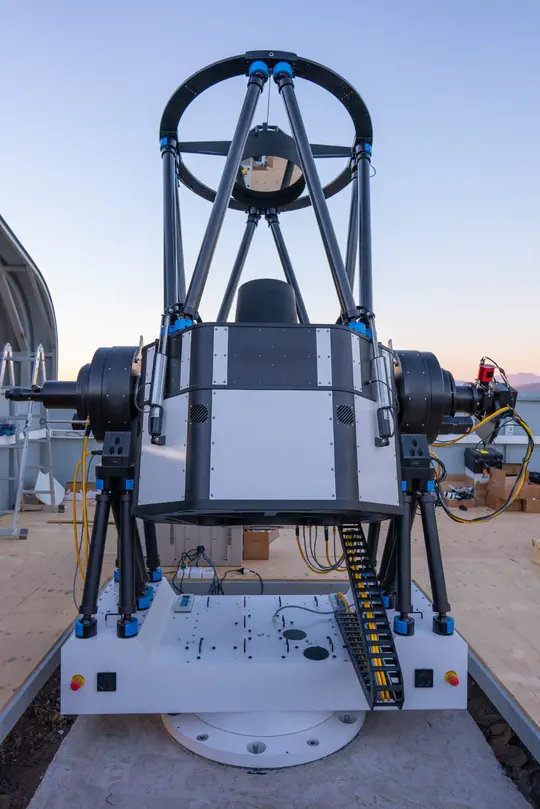
Automation of research telescopes
Work for telescopes to perform automated observations.
Automation of research telescopes
Observatory
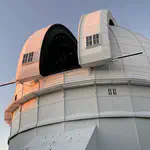
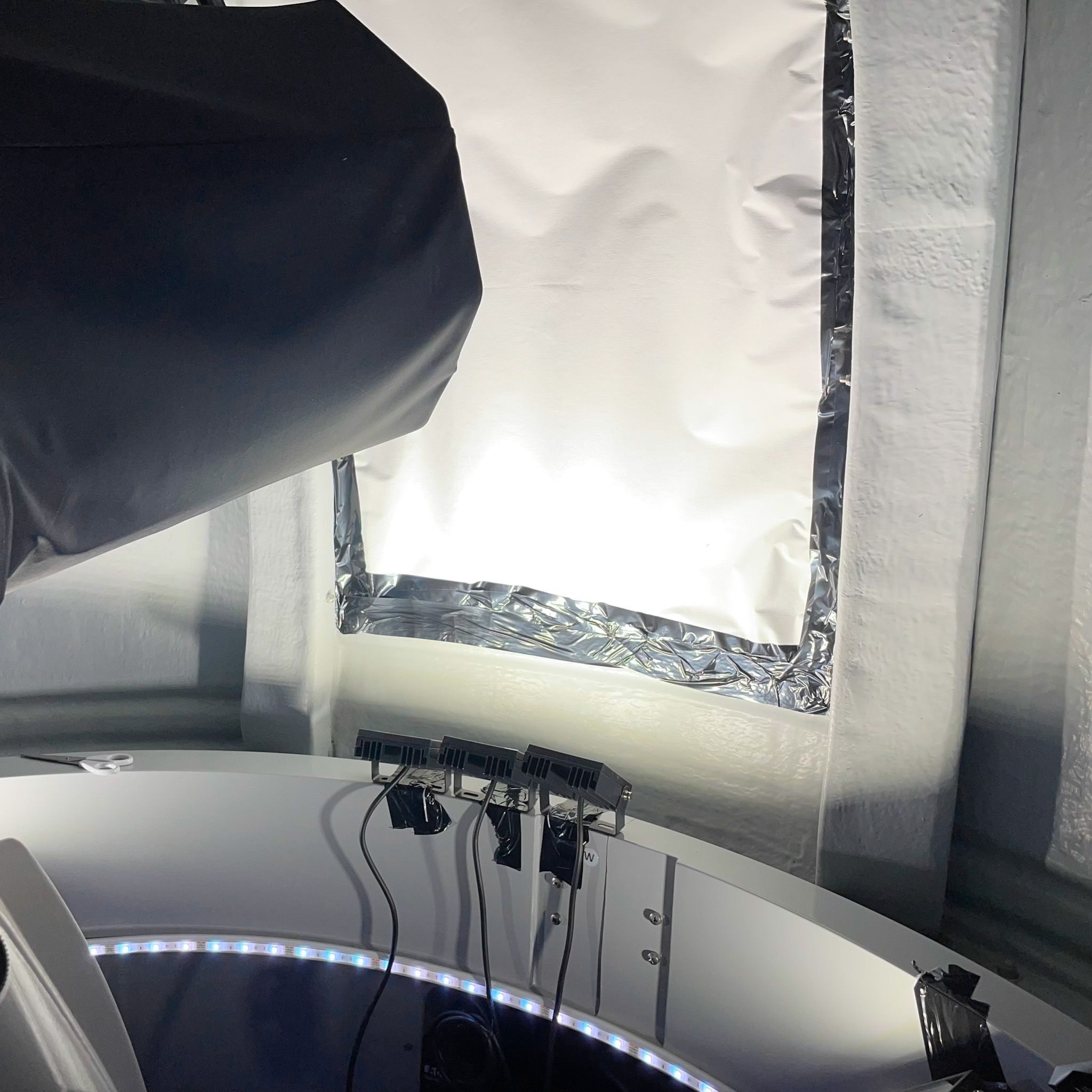
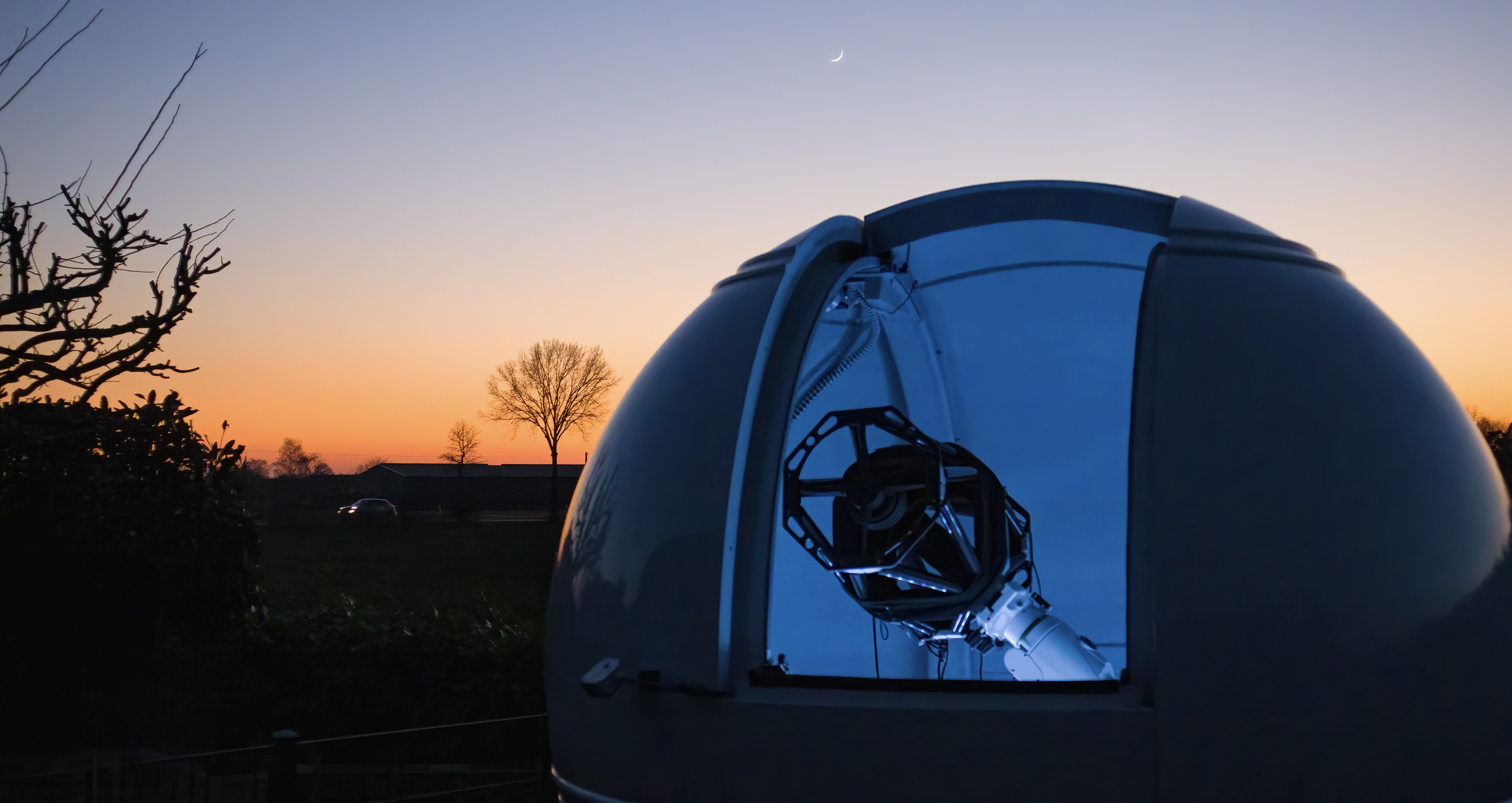
My private observatory
Observatory

What I’m up to

Speckle Interferometry of 25 Gaia Two-Parameter Potential Binaries
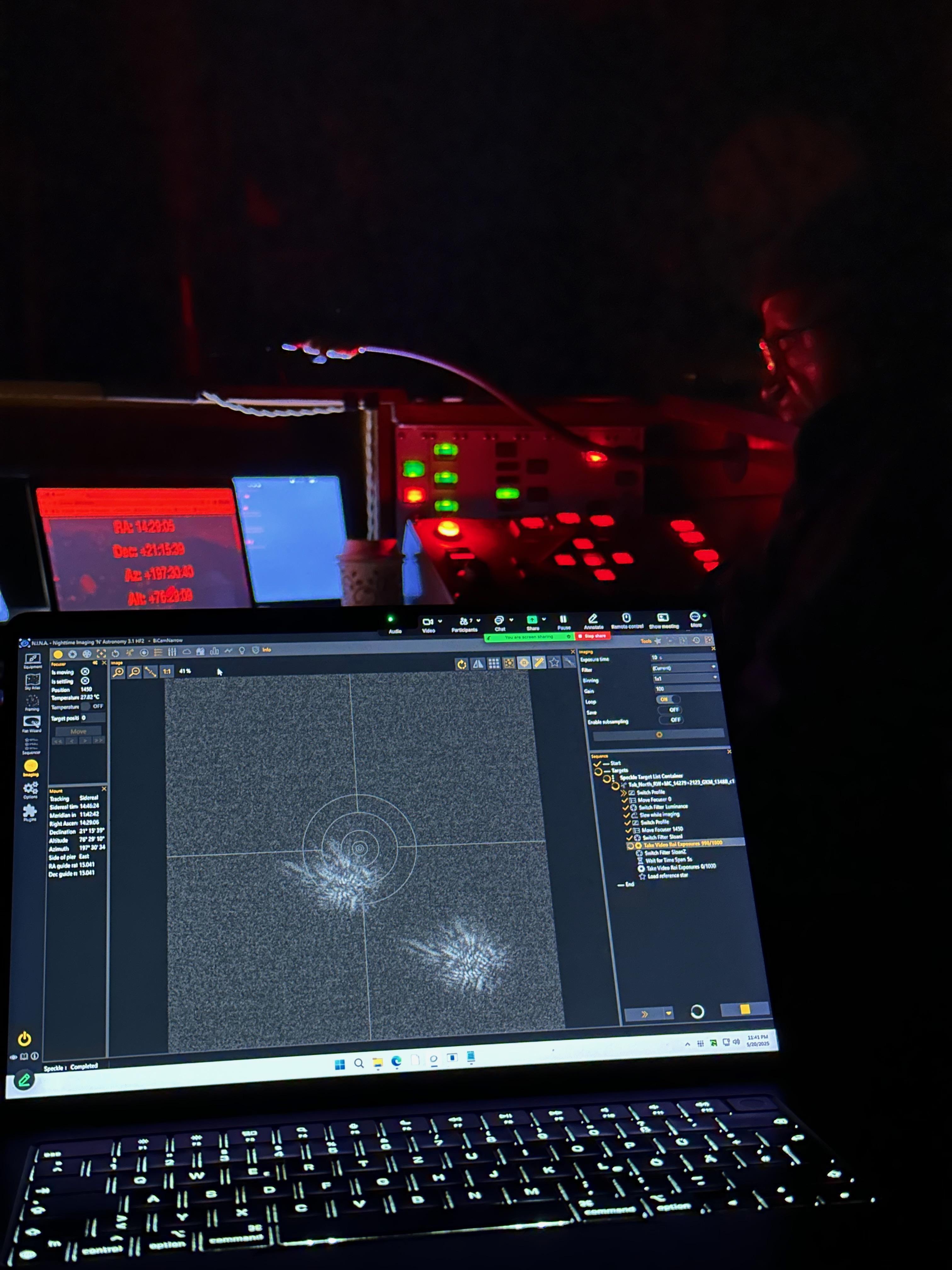
Gaia two-parameter (G2P) stars have cumulative errors in parallax and proper motion so great that only their mean positions were …
ExoClock Project IV: A homogeneous catalogue of 620 updated exoplanet ephemerides
The ExoClock project is an open platform aiming to monitor exoplanets by integrating observations from space and ground based …
ExoClock Project IV: A homogeneous catalogue of 620 updated exoplanet ephemerides
Speckle Interferometry Camera Checkout on the 100-Inch Telescope at Mount Wilson Observatory
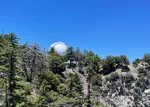
A new speckle interferometry camera system was checked out during a four-night run on the 100-inch telescope at Mt. Wilson observatory …
Two space startups have merged to create the next generation of telescopes
TechCrunch - merger of OurSky and PlaneWave Instruments to form Observable Space
Two space startups have merged to create the next generation of telescopes
Students as Citizen Scientists: Observations and Measurements of 43 Exoplanet Targets
Automated exoplanet observations taken with OurSky telescopes for use by students in Stanford Online High School classes
Known Binaries Speckle Interferometry with a 1.0-m Telescope in Chile
Over the past several months, students and instructors from three schools—supported by experienced observers—have been making automated …
Automated Speckle Interferometry of Known Binaries
Astronomers have been measuring the separations and position angles between the two components of binary stars since William Herschel …
Automated Speckle Interferometry of Known Binaries
ExoClock Project III: 450 new exoplanet ephemerides from ground and space observations
The ExoClock project has been created with the aim of increasing the efficiency of the Ariel mission. It will achieve this by …
ExoClock Project III: 450 new exoplanet ephemerides from ground and space observations
Exploring Short Period Red Dwarf Binaries in the Solar Neighborhood Speckle Interferometry and Gaia - IV
Speckle Interferometry observations were made of double stars within 30 parsecs of Earth with a late K or M dwarf component using the …
Exploring Short Period Red Dwarf Binaries in the Solar Neighborhood Speckle Interferometry and Gaia - IV
ExoClock Project. II. A Large-scale Integrated Study with 180 Updated Exoplanet Ephemerides
The ExoClock project is an inclusive, integrated, and interactive platform that was developed to monitor the ephemerides of the Ariel …
ExoClock Project. II. A Large-scale Integrated Study with 180 Updated Exoplanet Ephemerides
Analysis of Eight Double Star Systems
Our Stanford Online High School class measured eight double stars and assessed the probability of a gravitational relationship for each …
Analysis of Eight Double Star Systems